Author
Umang Sharma
Music Distribution Specialist
Date & Time
Jul 14, 2026
11 min read
Every few weeks I get a version of the same message from a label owner. It goes something like this: "My artists get their royalty statements and the branding on them is not mine, it is my distributor. I am doing all the work of running a label, but someone else name is on the platform. How do I make it mine?"
The answer is almost always white label music distribution. It is one of those terms that sounds technical and gatekept, but the idea underneath is simple, and once you understand it you start to see why a growing number of labels, managers, and entrepreneurs are building businesses on top of it rather than staying as customers of someone else platform.
This is a plain explanation of what white label music distribution actually is, how it works, who it makes sense for, how you make money from it, and the mistakes to avoid. No jargon for its own sake, and no pretending it is the right move for everyone.
The short version, before the detail
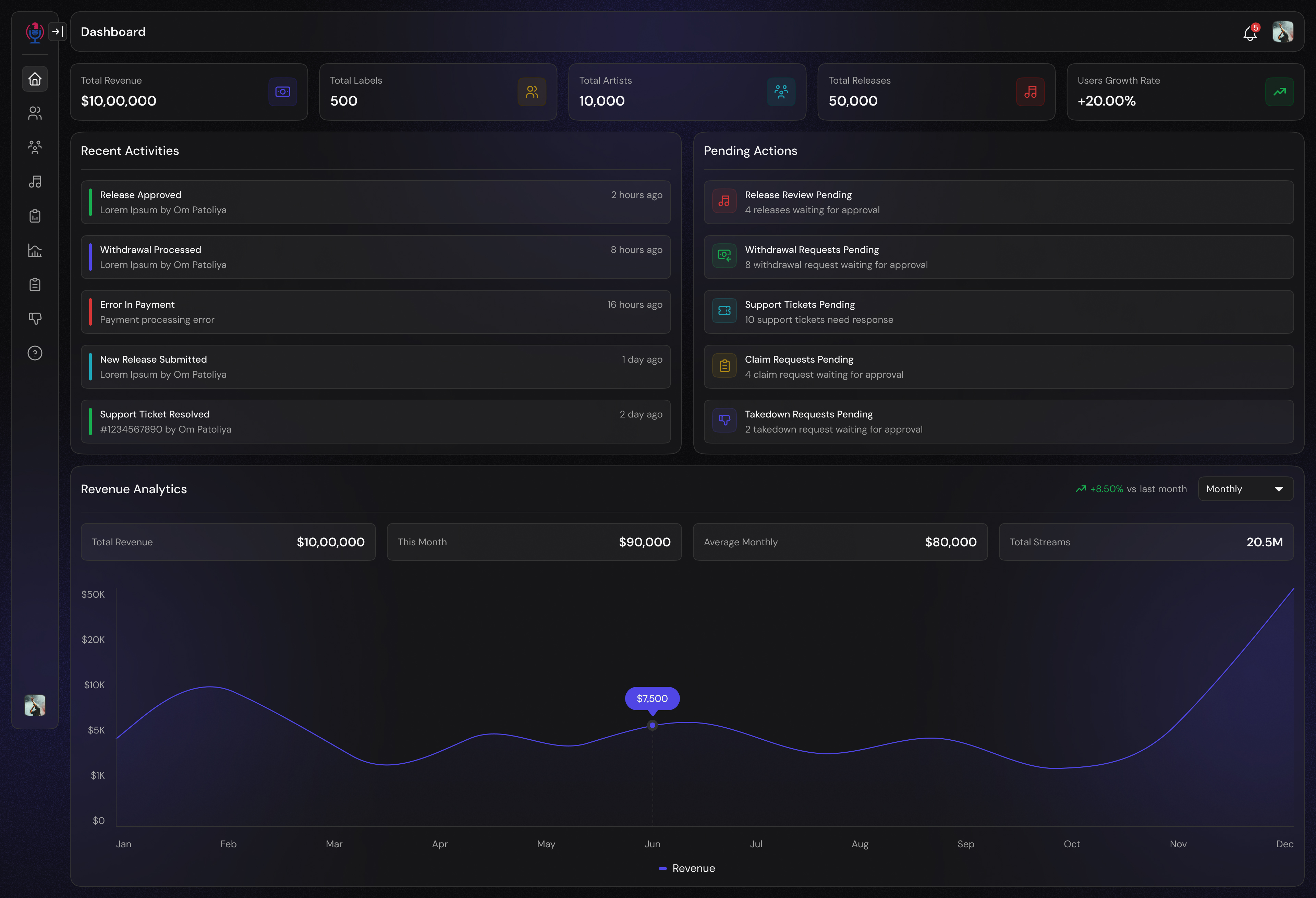
White label simply means running a distribution business under your own name on infrastructure you do not have to build. If you would rather see it than read about it, you can spin up a branded platform and try the whole thing on a 14-day free trial.
What white label music distribution actually means
The phrase comes from manufacturing. A white label product is made by one company and sold under another company brand, so the shop can put its own name on something it did not build. White label music distribution is exactly that idea applied to getting music onto streaming platforms.
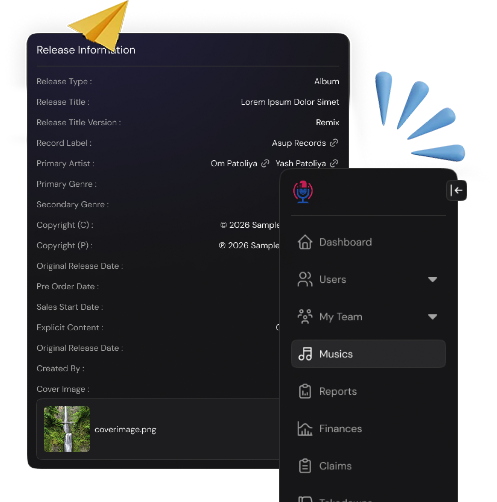
In practice, it means you run a fully branded music distribution business under your own name, using distribution technology and infrastructure that someone else builds and maintains. The artists and labels you onboard see your brand, your logo, your dashboard, and your domain. Behind the scenes, the actual delivery to Spotify, Apple Music, and the rest, the royalty accounting, and the platform engineering are handled by the provider. You own the relationship and the brand. They own the plumbing.
So instead of sending your artists to a distributor where they see a third party name, you become the distributor in their eyes. That is the whole shift, and it changes the kind of business you are able to build. You can explore how this works in practice on the ASUP Records white label platform.
White label distribution means your brand on the front, someone else infrastructure on the back. You own the customer, not the codebase.
How it works, step by step
The mechanics are more straightforward than people expect, because the heavy engineering is the part you are deliberately not doing.
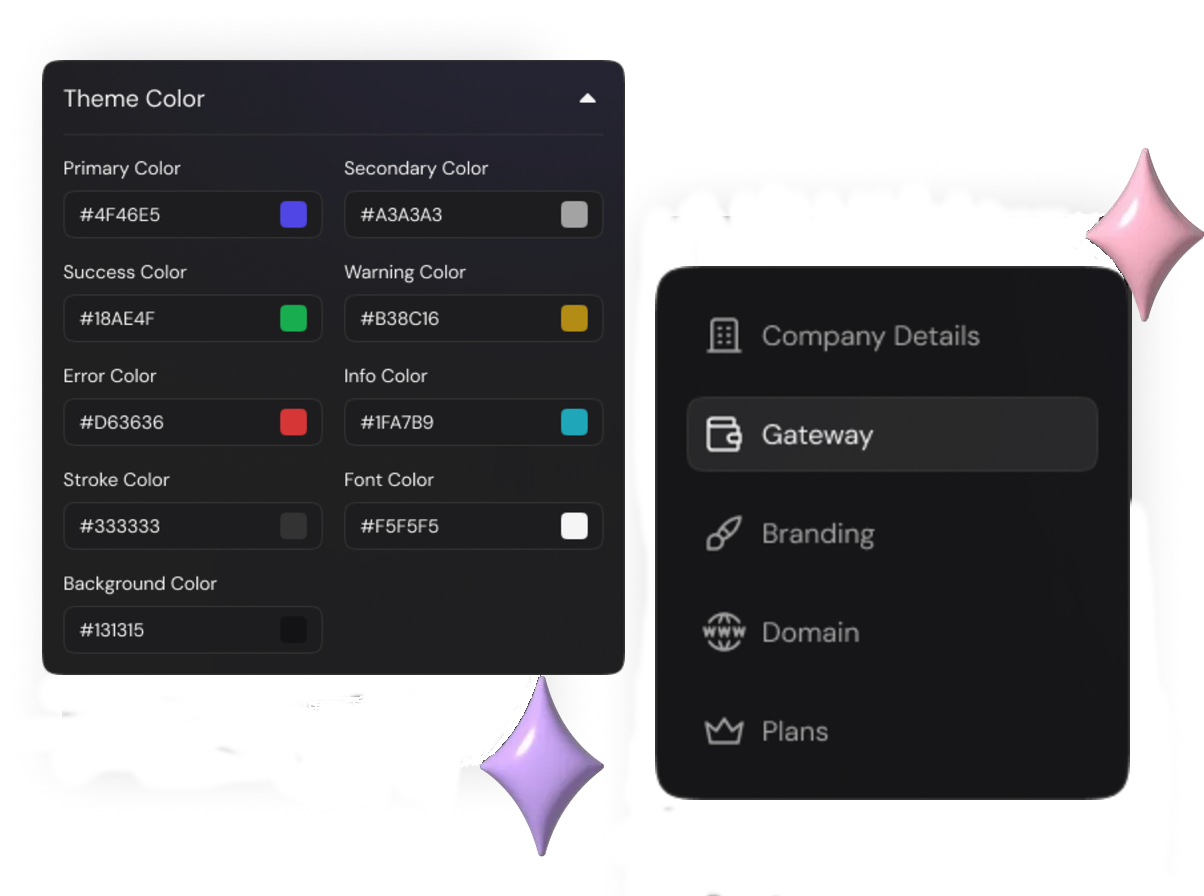
You sign up with a white label provider and choose a plan that fits the size of business you want to run. You customise the platform with your branding: your logo, your colours, and often your own domain, so the whole experience looks and feels like your company. Then you start onboarding labels and artists, who submit their releases through your branded dashboard. Those releases are delivered to the streaming stores through the provider infrastructure, royalties are collected and reported back, and you manage the whole ecosystem, taking your margin along the way.
From the outside, your artists simply see a distribution platform with your name on it. From your side, you are running a business without having spent a year and a small fortune building distribution technology from scratch.
Who white label distribution is for
This is not for a solo artist who just wants to release their own music. For that, a normal distributor is simpler and cheaper. White label makes sense when you want to distribute music for other people under your own brand. In practice that means a few clear groups.
Record labels that have outgrown spreadsheets and want their roster managed under their own branded platform.
Entrepreneurs who want to start a music distribution company without building the technology themselves.
Artist managers and agencies handling releases and royalties for multiple clients.
Studios and production houses that want to offer distribution as an added service to the artists they already work with.
Existing regional distributors that want modern tooling and reporting without a rebuild.
White label versus the alternatives
To understand why white label exists, it helps to compare it with the other paths to running a distribution business, because each involves a real trade-off.
Building your own distribution technology gives you total control, but it is enormously expensive and slow. You need direct delivery relationships with every store, a royalty accounting engine, ingestion pipelines, and a team to maintain it all, which realistically means twelve to eighteen months and serious capital before you deliver a single track. Being a plain reseller of another service is fast but usually means little control and a shared or thin margin. And simply being an artist on a traditional distributor is the right call if you only release your own music, but it gives you no brand and no business of your own.
White label sits in the gap. You get your own brand and your own business, you launch in days rather than years, and you avoid the cost and maintenance of building technology, in exchange for running on infrastructure you do not own. For most people who want a distribution business rather than a distribution engineering project, that is the sensible trade.
How you actually make money
This is the part people care about most, and it is worth being concrete. A white label distribution business generally earns money in a few ways, often combined.
You can charge your artists and labels a subscription or plan fee and keep the margin between what you charge and what the platform costs you. You can take a share of the royalties that flow through your platform. And you build genuine brand equity, because every artist you onboard associates the service with your company, not the provider, which is an asset in itself. The exact mix depends on your plan and your market, and you can see how the underlying costs work on the pricing page. The important point is that you control the pricing and the relationship, which is what makes it a business rather than a referral.
Turn the model into your own margin
Once you set your own prices and keep the gap over your platform cost, the only real question left is what that cost is. Launch your own branded platform with no infrastructure to build, and compare the plans you would price your margin on top of.
What to look for in a white label provider
Not all white label offers are equal, and the differences matter once you have real customers depending on you. When you evaluate a provider, look hard at the following.
Store coverage: does it deliver to all the platforms your artists actually care about, not just the big three?
Genuine branding control: can you use your own logo, colours, and domain so it truly feels like your platform?
Royalty accounting and automatic splits: reporting your customers can trust, and splits handled without manual spreadsheets.
Label and artist management: the ability to onboard labels that manage their own artists, not just individual accounts.
Pricing that leaves you a margin: a cost structure you can build a profitable business on top of.
Real support and fraud protection: a team behind you, and safeguards against artificial streaming that could put your accounts at risk.
Common mistakes people make with white label
I have watched a few businesses stumble on the same avoidable things.
Choosing white label when a normal distributor would do, because they only release their own music.
Picking a provider on price alone and discovering the branding or reporting is not good enough to keep customers.
Underpricing their service so there is no margin left once the platform cost is covered.
Ignoring royalty accuracy and splits, then losing trust the first time a statement looks wrong.
Treating it as passive income rather than a real business that needs support, onboarding, and care.
Is white label right for you?
White label music distribution is the answer to a specific question: how do I run a branded music distribution business without building the technology myself? If that is what you want, it is a genuinely powerful shortcut, letting you launch in days on infrastructure that would take years to build. If you only want to release your own music, it is more than you need.
If you are seriously considering it, the natural next step is to understand what actually goes into launching, which I cover in how to start a music distribution company, and the real budget involved, which I lay out in how much it costs to start a music distribution company. If the underlying role still feels abstract, what a music aggregator is describes exactly the business you would be stepping into. And if you are coming at this as a label or manager who is still new to how releases reach the stores, start with music distribution explained for beginners. When you are ready to see a working platform, the ASUP Records white label solution is built for exactly this. For a wider view of the whole landscape, music distribution: the complete guide sets white label in context, and the best white label distribution platforms compares what to look for in a provider.
Frequently asked questions
What is white label music distribution in simple terms?
It is a service that lets you run a music distribution business under your own brand, using technology and infrastructure built and maintained by a provider. Your artists see your name and platform, while the provider handles delivery to stores and royalty accounting behind the scenes.
How is white label different from being an artist on a distributor?
As an artist on a distributor, you use their branded platform to release your own music. With white label, you become the distributor in your customers eyes, running a branded platform where you onboard and manage other artists and labels and earn from the service.
Do I need technical skills to run a white label platform?
No. The point of white label is that the provider builds and maintains the technology. You focus on branding, onboarding artists and labels, support, and growing the business, without needing to develop distribution software yourself.
Can I use my own branding and domain?
A good white label provider lets you apply your own logo, colours, and often your own domain, so the entire experience looks like your company rather than the provider. Genuine branding control is one of the most important things to check.
How do I make money with white label distribution?
Typically by charging your artists and labels a plan or subscription fee and keeping the margin, by taking a share of royalties that flow through your platform, or a combination. You control the pricing and the customer relationship.
What is the difference between white label distribution and a music aggregator?
An aggregator is a company that delivers many artists music to stores. White label lets you run your own branded aggregator or distribution business on top of a provider infrastructure, so the terms overlap: white label is how you become an aggregator without building the technology.
Can I manage multiple labels and artists on one platform?
Yes. Strong white label platforms support label management as well as artist management, so labels can onboard and manage their own artists while you oversee the whole ecosystem from an admin view.
How quickly can I launch a white label distribution business?
Because the technology already exists, launching is a matter of days rather than the twelve to eighteen months it would take to build distribution infrastructure yourself. Most of your setup time goes into branding, pricing, and onboarding rather than engineering.
Put your own brand on the front
If running a branded distribution business is the goal, the fastest way to understand the model is to use it. Launch your own platform on white-label infrastructure, keep the margin between what you charge and what it costs you, and set the whole thing up during a 14-day free trial before you commit.